Why Early Detection Saves Money
Asphalt pavement gives clear warning signs before major failure occurs. Property managers who recognize these signs early can address problems with affordable maintenance. Those who wait end up paying for full replacement.
Here are the 7 most critical signs that your commercial parking lot needs immediate attention.
1. Alligator Cracking (Fatigue Cracking)
Alligator cracking looks like the skin of a reptile — interconnected cracks forming a pattern of small polygons. This is the most serious sign of pavement distress because it indicates structural failure beneath the surface.
When you see alligator cracking, the base layer beneath the asphalt has been compromised. This is usually caused by water infiltration, inadequate base thickness, or heavy loads beyond what the pavement was designed for. Alligator cracking requires saw-cut-and-replace repair — sealcoating and crack filling cannot fix structural failure.
2. Potholes
Potholes are the most visible sign of pavement distress, and they form quickly once water penetrates the surface. In Florida's climate, a small crack can become a pothole in just weeks during the rainy season.
Potholes are a liability issue. Vehicle damage claims and trip-and-fall injuries can cost far more than the repair itself. If you see potholes forming, address them immediately — they will only get larger and more expensive to fix.
3. Fading and Oxidation
When asphalt fades from rich black to gray or brown, it has oxidized. The UV rays from the sun have broken down the asphalt binder, making the surface brittle and prone to cracking.
Fading alone doesn't require repair, but it's a warning that the pavement is losing its protective oils. If left untreated, oxidation leads to raveling (surface aggregate coming loose) and eventually cracking. Sealcoating restores the protective barrier and the black appearance.
4. Standing Water and Ponding
After a rainstorm, water should drain completely off your parking lot within minutes. If you see puddles that remain for hours, you have a drainage problem.
Standing water seeps into the pavement, erodes the base layer, and accelerates deterioration. It also creates safety hazards for pedestrians and vehicles. Ponding is usually caused by surface settlement, poor initial grading, or clogged drain inlets. It requires regrading or infrared leveling to fix.
5. Raveling (Loose Aggregate)
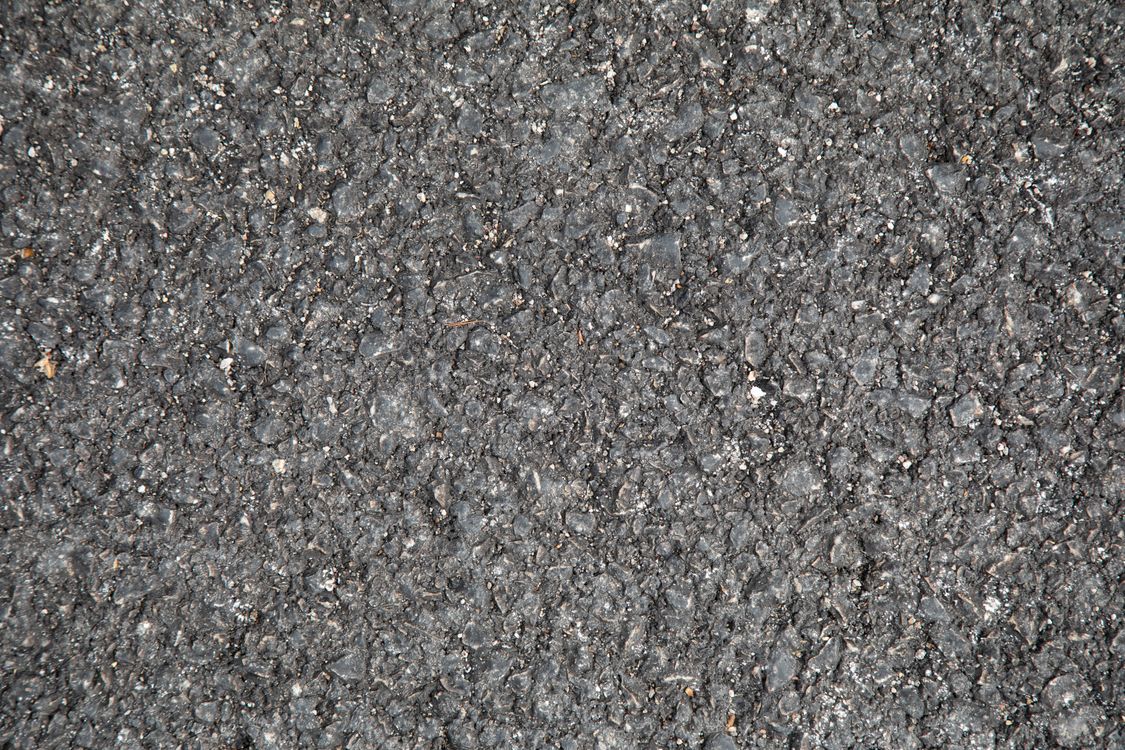
If you notice loose gravel or sand-like material accumulating on your parking lot surface, the asphalt is raveling. The binder that holds the aggregate together has degraded, and the surface is literally falling apart.
Raveling starts at the surface and works its way down. Early-stage raveling can be addressed with sealcoating, which fills the voids and locks the aggregate in place. Advanced raveling requires milling and resurfacing.
6. Faded or Missing Striping
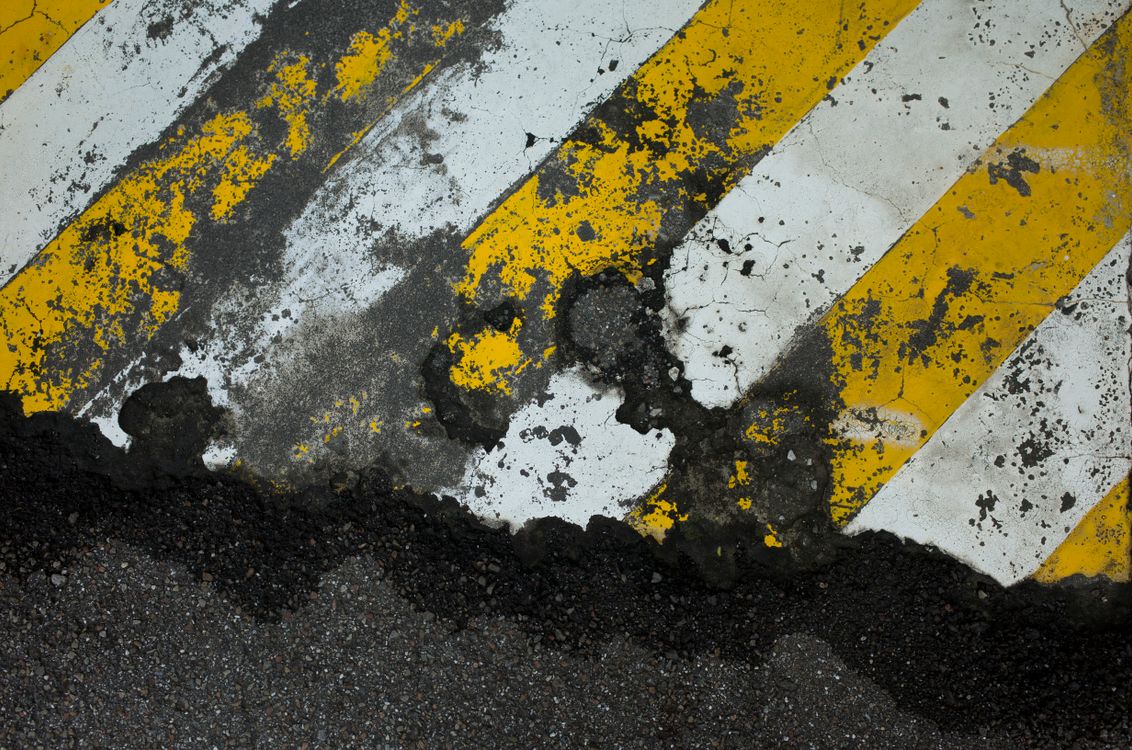
While not a structural issue, faded striping is a compliance and safety issue. If your parking lot lines are barely visible, you risk ADA non-compliance, traffic confusion, and potential liability from accidents.
Striping should be refreshed every 12-24 months depending on traffic volume. If you can't clearly see your parking lines from 50 feet away, it's time to restripe.
7. Oil and Gas Stains That Won't Clean
Oil, gas, and other vehicle fluids dissolve asphalt binder. If you notice dark stains in parking spaces that won't wash away, the asphalt beneath those stains is being chemically degraded.
Small stains can be treated with oil spot primer before sealcoating. Large stains may require saw-cut and replacement of the affected area. The longer stains sit, the deeper the damage goes.
What to Do If You See These Signs
If you notice any of these 7 signs, schedule a professional assessment as soon as possible. Early intervention can save thousands of dollars and extend the life of your pavement by years.
We offer free on-site assessments for commercial properties. Our team will evaluate your parking lot, identify all issues, and provide a prioritized repair plan with transparent pricing. Contact us today to schedule your assessment.